
Eye Care
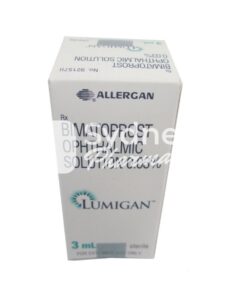
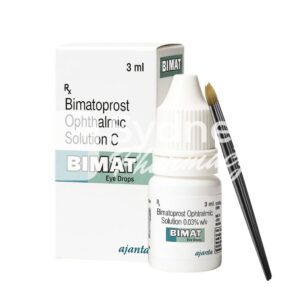
Eye Drops and Lubricants
Eye drops and lubricants are essential products for maintaining healthy, comfortable eyes in Australia’s diverse climate conditions. These solutions provide relief from dry eyes, allergies, redness, and eye strain commonly experienced from prolonged digital device use in our modern work environments.
Available Products in Australia
Australian pharmacies stock a comprehensive range of eye care solutions to address various needs:
- Systane Ultra lubricating drops for long-lasting moisture
- Refresh Tears artificial tears for gentle daily relief
- Visine Original redness relief for quick cosmetic improvement
- Optrex ActiMist dry eye spray for convenient application
- Blink Intensive Tears for severe dryness
When to Use
Eye drops are particularly beneficial during computer work sessions, when exposed to air conditioning systems, whilst wearing contact lenses, and during seasonal allergy periods. Australia’s dry climate and high UV exposure make regular eye lubrication especially important for maintaining optimal eye health.
Application Tips
Proper instillation technique involves tilting your head back, pulling down the lower eyelid, and applying drops to the inner corner of the eye. Most lubricating drops can be used 3-4 times daily, whilst preservative-free options may be used more frequently. Store products according to package directions, typically in a cool, dry place away from direct sunlight.
Contact Lens Care Solutions
Proper contact lens care is crucial for maintaining eye health and ensuring comfortable lens wear. Contact lens solutions clean, disinfect, and safely store lenses, preventing potentially serious eye infections and complications that can arise from inadequate lens hygiene.
Available Products in Australia
Leading contact lens care brands available through Australian pharmacies include:
- Opti-Free PureMoist multipurpose solution for daily cleaning and storage
- ReNu Advanced Formula for comprehensive lens care
- Biotrue ONEday solution designed for daily disposable lenses
- Clear Care hydrogen peroxide system for deep cleaning
- Sensitive Eyes saline solution for gentle rinsing
Types of Solutions
Multipurpose solutions offer convenient all-in-one cleaning, disinfecting, and storage capabilities. Hydrogen peroxide-based systems provide superior disinfection but require neutralisation before lens insertion. Saline rinses remove debris and are ideal for sensitive eyes.
Proper Care Routine
Daily cleaning involves rubbing lenses gently with solution, rinsing thoroughly, and storing in fresh solution overnight. Weekly protein removal helps maintain lens clarity and comfort. Replace lens cases every three months and never reuse old solution to prevent bacterial contamination.
Allergy and Antihistamine Eye Treatments
Australian allergies can make your eyes feel irritated, watery, and uncomfortable throughout the year. Antihistamine eye treatments provide targeted relief directly where you need it most, offering fast-acting solutions for various allergic reactions affecting your eyes.
Common Uses for Antihistamine Eye Drops
These specialised treatments are particularly effective for managing hay fever symptoms, seasonal allergies from native Australian pollens, pet allergies, and reactions to dust mites. Whether you’re dealing with spring wattle blooms or everyday household allergens, antihistamine eye drops can provide rapid relief from itching, redness, and excessive tearing.
Available Products in Australia
Australian pharmacies stock several effective antihistamine eye treatments:
- Zaditen antihistamine eye drops containing ketotifen
- Claratyne Allergy eye drops with loratadine
- Livostin Direct antihistamine drops featuring levocabastine
- Naphcon-A allergy relief with naphazoline
- Optrex Allergy eyes for general allergic reactions
Seasonal Considerations
Different Australian seasons bring unique challenges for allergy sufferers. Spring pollen from eucalyptus and wattle trees, summer heat that can intensify symptoms, and autumn allergens from grasses all require ongoing management. Many Australians find they need different treatment approaches throughout the year.
Combining with Oral Medications
Antihistamine eye drops often work well alongside oral allergy medications for comprehensive relief. However, it’s important to consult your pharmacist about potential interactions and timing, particularly if you’re already taking systemic antihistamines or other medications.
Eye Vitamins and Supplements
Supporting your eye health through targeted nutrition has become increasingly important in our digital age. Eye vitamins and supplements provide essential nutrients that may not be adequately obtained through diet alone, helping maintain healthy vision throughout your life.
Primary Uses and Benefits
These supplements are designed to support macular health, enhance night vision, promote general eye wellness, and potentially protect against blue light damage from screens. They’re particularly valuable for people who spend significant time using computers, tablets, or smartphones daily.
Available Eye Health Products
Australian pharmacies offer several reputable eye health supplements:
- Blackmores Macu-Vision for comprehensive macular support
- Swisse Ultiboost Vision with antioxidant protection
- Nature’s Own Eye Care featuring essential eye nutrients
- Cenovis Eye Health for daily nutritional support
- Ethical Nutrients Eye Xtra with advanced formulation
Key Nutritional Components
Quality eye supplements typically contain lutein and zeaxanthin, which concentrate in the retina, omega-3 fatty acids for anti-inflammatory benefits, vitamin A for night vision, zinc for retinal health, and bilberry extract for circulation support. These nutrients work synergistically to maintain optimal eye function.
Age-Related Vision Support
As we age, our eyes naturally require additional nutritional support. These supplements may help maintain healthy vision and potentially reduce the risk of age-related macular degeneration. Consider incorporating foods like leafy greens, fish, nuts, and colourful vegetables alongside supplementation for comprehensive eye health support.
Eye Protection and Sunglasses
Protecting your eyes from harmful environmental factors is essential for maintaining long-term eye health. Australia’s harsh sun conditions and outdoor lifestyle make proper eye protection particularly important for residents across the country.
What Eye Protection is Used For
Eye protection serves multiple crucial purposes in safeguarding your vision. UV protection shields your eyes from harmful ultraviolet radiation that can cause cataracts, macular degeneration, and other serious eye conditions. Blue light filtering glasses help reduce digital eye strain from computer screens, smartphones, and other electronic devices. Safety eyewear protects against environmental hazards such as dust, debris, chemicals, and impact injuries during work or recreational activities.
Available Eye Protection Products in Australia
Australian pharmacies and optical retailers offer a comprehensive range of protective eyewear to suit various needs and lifestyles:
- Prescription safety glasses combining vision correction with workplace protection
- Blue light blocking computer glasses for digital device users
- UV400 sunglasses providing maximum ultraviolet protection
- Wraparound sports eyewear for active outdoor enthusiasts
- Reading glasses with built-in UV protection for outdoor use
Australian Sun Conditions and UV Considerations
Australia experiences some of the highest UV radiation levels globally, with the UV index frequently reaching extreme levels across most regions. This intense solar radiation poses significant risks to unprotected eyes, making quality sunglasses essential year-round. Outdoor workers face particular challenges and require specialised protective eyewear that meets occupational safety standards whilst providing comprehensive UV protection.
Standards and Certifications
When selecting eye protection in Australia, look for products that comply with Australian/New Zealand eyewear standards (AS/NZS 1067). These standards ensure that sunglasses and protective eyewear meet strict requirements for UV filtration, optical quality, and impact resistance. Category ratings from 0 to 4 indicate the level of light transmission, with Category 3 and 4 lenses recommended for bright Australian conditions.
Choosing the Right Eye Protection
Selecting appropriate eye protection depends on your specific activities, lifestyle, and vision requirements. Consider factors such as the level of UV exposure, potential impact hazards, prescription needs, and comfort for extended wear. Consult with an optometrist or pharmacist to determine the most suitable protection for your individual circumstances and ensure proper fit and coverage.
When to Seek Professional Eye Care
Recognising when to seek professional eye care is crucial for maintaining optimal vision and preventing serious complications. Understanding the difference between minor irritations and serious symptoms can help protect your long-term eye health.
Warning Signs Requiring Attention
Several symptoms warrant immediate professional evaluation and should never be ignored. Sudden vision changes, including blurred vision, double vision, or partial vision loss, require urgent assessment. Persistent redness that doesn’t respond to over-the-counter treatments may indicate underlying conditions requiring prescription medication. Severe eye pain, particularly when accompanied by nausea or headaches, can signal serious problems such as acute glaucoma. Flashing lights, floating spots, or curtain-like shadows in your vision may indicate retinal detachment, a medical emergency requiring immediate treatment.
Regular Eye Examination Schedule
Preventive eye care through regular check-ups helps detect problems before symptoms develop. Adults aged 18-39 should have comprehensive eye examinations every two to three years, whilst those aged 40-64 require testing every two years. Individuals over 65 need annual eye examinations due to increased risk of age-related conditions. People with diabetes require more frequent monitoring, typically annually or as recommended by their healthcare provider, due to the risk of diabetic retinopathy.
Pharmacy Treatment Limitations
Whilst pharmacies offer valuable eye care products and advice, certain conditions require professional medical intervention. Over-the-counter treatments are suitable for minor irritations, dry eyes, and basic allergy symptoms. However, persistent infections, injuries involving the eye structure, sudden vision changes, or symptoms lasting more than 48 hours typically require prescription medications or specialised treatment from qualified eye care professionals.
Emergency Eye Care Situations
Several eye-related situations constitute medical emergencies requiring immediate professional attention:
- Chemical splashes or foreign objects embedded in the eye
- Sudden, severe eye pain with nausea or vomiting
- Sudden vision loss or significant vision reduction
- Eye injuries involving cuts, punctures, or severe impact
- Flashing lights accompanied by vision loss or dark shadows
Finding Local Eye Care Professionals
Establishing relationships with qualified eye care professionals ensures prompt access to treatment when needed. Your local pharmacy can often provide referrals to nearby optometrists and ophthalmologists. Many optometrists offer bulk billing options under Medicare for eligible patients. For urgent eye problems outside regular hours, hospital emergency departments can provide immediate assessment and treatment. Maintaining regular contact with your chosen eye care provider helps ensure continuity of care and better long-term outcomes for your vision health.