Xifaxan
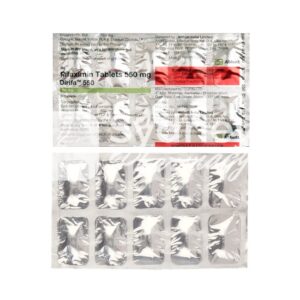
In brief
Xifaxan contains rifaximin. For some people with liver disease, rifaximin helps reduce recurrences of hepatic encephalopathy. It acts on gut bacteria involved in producing substances that can affect brain function.
Availability & Price Landscape
Xifaxan is increasingly accessible in Australia, with availability in both urban and rural pharmacies. Major retailers like Chemist Warehouse and Priceline stock this medication, catering to a wide audience. The pricing landscape reveals a significant contrast between those under the Pharmaceutical Benefits Scheme (PBS) and private prescriptions. Many patients expect a cost-effective solution; the PBS listings make Xifaxan more affordable for chronic conditions such as IBS-D.
Current price ranges typically hover between $60–$75 for PBS-listed prescriptions, in contrast to private option prices, which may exceed $100. This positioning often steers patients towards PBS options when available. Additionally, the trend of online pharmacy purchases is changing the medication landscape in Australia, allowing for improved access and potential cost-saving options through reputable online platforms, often including home delivery services.
Local pharmacy consultations are invaluable as they help patients navigate the intricacies of pricing and explore product variants available, ensuring they secure the best possible value. These discussions can empower individuals, fostering an understanding of how to approach treatments effectively. With this knowledge, patients are better positioned to make informed decisions about accessing and purchasing Xifaxan in Australia.
Product Overview & Brand Variants
The International Nonproprietary Name (INN) for Xifaxan is rifaximin, an intestinal anti-infective that plays a pivotal role in treating bacterial infections within the gut. Accessible in Australia, Xifaxan is primarily marketed in tablet forms of 200 mg and 550 mg, catering to a diverse range of medical needs. The Australian Therapeutic Goods Administration (TGA) classifies it as a prescription-only medication, emphasising the importance of comprehensive health evaluations before prescribing.
Globally, Xifaxan is known under various brand names; for instance, Normix is used in Italy, alongside other localized names across Europe and Latin America. However, Australian consumers predominantly engage with the Xifaxan brand. It provides a focused approach to managing gastrointestinal infections and conditions, aiming for effective treatments tailored specifically to patient requirements.
The careful evaluation of dosage forms ensures accessibility across demographics, notably including the younger population from age 12 and above, reinforcing the importance of this medication in Australian healthcare settings.
Indications in Local Medical Practice
Approved indications for Xifaxan as endorsed by the TGA are multifaceted, including treatment for travellers’ diarrhoea, IBS-D, and hepatic encephalopathy (HE). The common prescribing regimen for E. coli-related gastrointestinal infections is typically 200 mg three times daily for three days, while patients with IBS-D may receive higher doses of 550 mg three times daily for a duration of 14 days. This targeted usage directly addresses the significant burden of gastrointestinal issues among Australians.
As healthcare professionals continue to endorse Xifaxan for its efficacy, it has become a frequent topic of discussion during medical consultations, with patients often seeking this medication as a fast-acting solution. Many individuals report notable improvements in symptoms after the initial doses. Nonetheless, it remains crucial for healthcare practitioners to conduct ongoing assessments to ensure the suitability of this treatment, as individual responses can vary significantly. This evidence-based approach reflects the significance of empirical prescribing in managing gastrointestinal health within the Australian context.
How Xifaxan Works in the Body
Xifaxan, whose active ingredient is rifaximin, is a unique antibiotic specifically targeting the gastrointestinal tract. Its primary mechanism involves inhibiting bacterial RNA synthesis, which effectively stifles the growth of harmful bacteria, especially strains such as E. coli – a common culprit behind travellers’ diarrhoea. Unlike conventional antibiotics that can affect the entire body, Xifaxan is designed to act specifically within the gut, leading to minimal systemic absorption.
This property significantly lowers the risk of systemic side effects, making Xifaxan a safer option for individuals needing focused treatment for gut issues. Patients primarily opt for Xifaxan not just for its effectiveness against infections but also for its safety profile, which helps maintain the delicate balance of gut flora.
Clinical evidence indicates that Xifaxan selectively eliminates bacterial overgrowth linked to conditions like Irritable Bowel Syndrome with diarrhoea (IBS-D), while preserving beneficial gut bacteria crucial for optimal digestive health. Users often report noticeable symptom relief within just a few days of treatment, enhancing adherence to the prescribed regimen. This rapid relief also stimulates conversations during pharmacy consultations about ongoing efficacy and the importance of sticking to the treatment plan.
Dosage & Administration of Xifaxan
The administration of Xifaxan requires careful attention to prescribed dosages tailored to specific health concerns. For travellers’ diarrhoea, the standard regimen is 200 mg, taken orally three times daily for three days. When addressing IBS-D, the recommended dosage is elevated to 550 mg, similarly taken three times daily, but extends over a two-week period.
For individuals with hepatic encephalopathy, a different approach is recommended: 550 mg taken twice daily, with the potential for continuous therapy based on individual clinical assessments. Some patients may require dosage adjustments, particularly the elderly and those with liver issues, which necessitate close monitoring of liver function.
While adjustments for kidney impairment are typically not necessary due to the low systemic absorption of Xifaxan, healthcare providers suggest prudence in cases of severe hepatic dysfunction due to limited available safety data. Adherence to the prescribed dosage is vital for efficacy. If a dose is missed, the guideline is to take it as soon as it is remembered, avoiding the temptation to double up on doses.
Contraindications & Side Effects of Xifaxan
As with any medication, the use of Xifaxan is accompanied by certain contraindications. Patients with known hypersensitivity to rifaximin or related drugs, such as rifampicin, must refrain from using this antibiotic. It’s also contraindicated in cases of bacterial diarrhoea that feature fever or blood, as this could aggravate the situation.
Patients with severe hepatic dysfunction or a history of Clostridioides difficile infections should proceed with caution, given that Xifaxan can disrupt gut flora. Side effects are often mild, including gastrointestinal disturbances like nausea, constipation, and vomiting. However, some might experience moderate symptoms such as abdominal pain and bloating, highlighting the varied responses among users.
Serious side effects, although rare, such as dizziness or hypersensitivity reactions, warrant immediate medical attention. Transparent discussions between healthcare providers and patients about potential side effects can foster a supportive environment and ensure patients know what to look out for, optimising their treatment experience and adherence.
Comparable Medicines to Xifaxan
In the sphere of gastrointestinal treatments, various alternatives to Xifaxan are available, each with its own pros and cons. Here’s a brief overview of these alternatives:
| Medication | Indication | Pros | Cons |
|---|---|---|---|
| Neomycin | Hepatic encephalopathy | Non-absorbed, targeted effect | Limited effectiveness; often off-label |
| Metronidazole | Travellers’ diarrhoea | Effective for bacterial infections | Systemic side effects; growing resistance |
| Ciprofloxacin | Travellers’ diarrhoea | Broad-spectrum antibiotic | Risk of systemic side effects; limited in IBS-D |
| Eluxadoline | IBS-D | Relief from IBS-D symptoms | Potential for serious side effects |
| Loperamide | Symptomatic control of diarrhoea | Quick action on gut motion | Does not address bacterial cause; limited long-term scope |
| Lactulose | Hepatic encephalopathy | Prebiotic effects; helps bowel function | Requires multiple doses; potential side effects |
Every alternative carries distinct implications within clinical settings. The strengths of Xifaxan primarily lie in its targeted action and minimal absorption, contrasting with others that might generate broader systemic effects. Healthcare professionals should weigh these options carefully based on individual patient histories, fostering informed decisions about treatment paths for optimal symptom management.
Common Patient Questions
Understanding what patients experience during pharmacy consultations reveals common concerns and queries about Xifaxan. Here are some frequently asked questions:
- What to expect when taking Xifaxan? Transitioning to Xifaxan should be done cautiously, with close monitoring for symptom relief and possible side effects.
- Can I take Xifaxan with other medications? It is crucial for patients to inform pharmacists of their entire medication regimen to assess for interactions, though Xifaxan generally has a low risk for significant drug interactions.
- How long should I take Xifaxan? The duration of treatment can vary, with many patients requiring short courses lasting from three days to two weeks.
- Are there dietary restrictions? Questions often arise regarding foods to avoid while taking Xifaxan, as certain items may worsen gastrointestinal distress.
- Are there age-related considerations? Patients often inquire about Xifaxan’s prescription eligibility, which is limited to individuals aged 12 and above, raising safety concerns for older patients or those with chronic conditions.
Engaging patients with informative, relatable answers fosters confidence and adherence to treatment, enhancing their overall experience.