Tetracycline
In brief
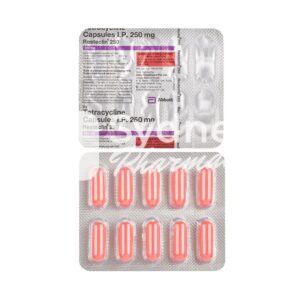
Acne and certain bacterial infections may be treated with tetracycline. It blocks protein synthesis in susceptible bacteria, and its use requires attention to interactions with calcium, iron and other minerals.
Availability & Price Landscape
For those seeking Tetracycline in Australia, the options are plentiful. Major pharmacy chains like Chemist Warehouse, Priceline, and TerryWhite Chemmart keep Tetracycline well-stocked and often feature competitive pricing. This accessibility ensures that a wider range of patients can obtain their medications without excessive financial burden.
Online Pharmacy Trends In Australia
The shift towards online pharmacies is becoming increasingly common among Australians. With telehealth services and e-prescriptions on the rise, many are choosing the convenience of ordering medications from home. This method has its perks, such as discounts and free delivery, which can be a life-saver for those residing in rural areas where pharmacies may not be as readily available.
Price Ranges By Package Size (PBS vs Private)
Pricing for Tetracycline is favourable, especially for patients utilising the Pharmaceutical Benefits Scheme (PBS). As a PBS-listed medication, many Australians can access Tetracycline at lower prices. Generally, the costs for a 500 mg Tetracycline capsule can range from roughly $6.30 to $40.
How It Works in the Body
Tetracycline plays a vital role in combating bacterial infections by interfering with how bacteria produce proteins. This action inhibits their ability to grow and multiply, making it a broad-spectrum antibiotic effective against various bacterial strains. It is widely used to tackle numerous infections, including respiratory issues and skin conditions like acne.
Layman’s explanation
At its core, tetracycline acts as a roadblock for bacteria, essentially preventing them from building the proteins they need to thrive. This makes it a go-to option for treating multiple infection types, as it can target many different forms of bacteria without discrimination.
Clinical detail
Diving into molecular action, tetracycline specifically binds to the 30S ribosomal subunit within bacteria. This disrupts the translation process essential for protein synthesis. Both aerobic and anaerobic bacteria are affected, making tetracycline particularly versatile. It’s even beneficial for infections resistant to other antibiotics, providing vital support in challenging clinical scenarios.
Dosage & Administration
Administering tetracycline effectively is key to ensuring successful treatment outcomes. Typical recommendations for adults range from 250 mg to 500 mg every six hours, tailored to the specific type of infection. For those battling acne, a more standard approach is to take 250 mg twice daily.
Standard regimens
The dosages can differ significantly, depending on the condition at hand. For common infections, following structured regimens helps maximise therapeutic effects; understanding the nuances is essential for optimal results.
Adjustments by patient type
Older patients, or individuals managing chronic conditions, might necessitate tailored dosing strategies. Factors such as renal and hepatic function play a crucial role; reductions in dosage may become necessary to ensure safety during treatment. Healthcare professionals often consider alternative medications in cases of significant impairment, ensuring the best care.
Contraindications & Side Effects
As with any medication, it’s important to be aware of the potential side effects and contraindications associated with tetracycline. Common side effects include gastrointestinal issues such as nausea, vomiting, and diarrhoea, as well as increased sensitivity to sunlight that could trigger skin rashes.
Common
Many users report mild to moderate gastrointestinal discomfort, alongside sensitivity reactions like photosensitivity. Recognising these common concerns ahead of commencing treatment can foster better preparation for potential reactions.
Rare but serious
Although infrequent, serious adverse effects deserve attention. Awareness of risks, such as hepatic toxicity or severe allergic reactions, is critical. In Australia, safety data from regulatory bodies reinforces the need for monitoring patient responses and promotes timely interventions if necessary.
Comparable Medicines
With various alternatives available, understanding comparable medicines is crucial for effective treatment planning. The following offers a glimpse into alternatives to tetracycline, considering their indications and prescription status in Australia.
Alternatives table
| Medicine | Indication | PBS Status |
|---|---|---|
| Doxycycline | Acne, infections | PBS-listed |
| Minocycline | Acne | Non-PBS |
| Clindamycin | Skin infections | PBS-listed |
| Azithromycin | Respiratory infections | PBS-listed |
| Ciprofloxacin | Urinary infections | Non-PBS |
Pros and cons list
- Doxycycline: Similar effectiveness for many conditions but may incur a higher cost.
- Clindamycin: Useful for specific skin infections; however, higher resistance patterns have been noted.
- Azithromycin: Benefits from a longer half-life, offering convenience, yet it has limited efficacy against resistant bacteria.
Grasping these alternatives creates a pathway for better-informed decisions, equipping patients and healthcare providers with a diverse toolkit for treatment selection.
Common Patient Questions
The following inquiries frequently arise during pharmacy consultations in Australia:
- Is Tetracycline safe for pregnant women?
It is contraindicated due to the risk of fetal complications. - What are the dietary restrictions while on Tetracycline?
Avoid dairy and antacids as they can interfere with absorption. - How long should I use Tetracycline?
Typically, treatment lasts from 7-14 days, depending on the infection type.
These questions are essential for patient education and ensuring effective disease management.
Buying & Storage Advice
In-store vs online purchase tips in Australia
In urban areas, patients often buy Tetracycline from local pharmacies, while those in rural communities benefit from telehealth services and online pharmacies for accessibility. It’s essential to check for legitimate online sources to ensure medication quality, especially when ordering Tetracycline online.
Storage in Australian household conditions (heat/humidity)
Tetracycline should be stored in a cool, dry place, ideally between 15°C and 25°C. In humid climates, ensure medication is kept in moisture-resistant containers to maintain efficacy and prevent degradation. Proper storage is crucial to avoid any potential loss in medication strength, safeguarding overall treatment effectiveness.
Guidelines for Proper Use
Pharmacist guidance in Australia
Australian pharmacists play a crucial role in educating patients about proper Tetracycline use. They advise on the importance of adherence to prescribed dosages and potential food interactions, ensuring the antibiotic’s effectiveness is maximised while reducing side effects.
Patient safety recommendations
Patients should be informed about avoiding direct sunlight during treatment, using sunscreen, and understanding signs of allergic reactions. Engaging with healthcare professionals for ongoing monitoring while on Tetracycline can dramatically improve outcomes, ensuring safe and effective use of the medication.
| City | Region | Delivery Time |
|---|---|---|
| Sydney | New South Wales | 7–22 days |
| Melbourne | Victoria | 7–22 days |
| Brisbane | Queensland | 7–22 days |
| Perth | Western Australia | 7–22 days |
| Adelaide | South Australia | 7–22 days |
| Hobart | Tasmania | 7–22 days |
| Canberra | Australian Capital Territory | 7–22 days |
| Gold Coast | Queensland | 7–22 days |
| Newcastle | New South Wales | 7–22 days |
| Cairns | Queensland | 7–22 days |
| Townsville | Queensland | 7–22 days |
| Wollongong | New South Wales | 7–22 days |