Seroquel
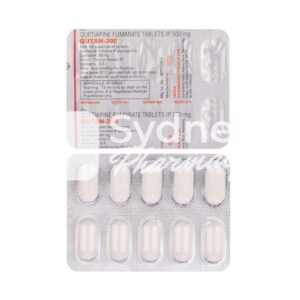
In brief
Seroquel contains quetiapine. Quetiapine is used in the treatment of schizophrenia and bipolar disorder. It acts on several brain receptors, including those involved in dopamine and serotonin signalling.
Seroquel is the AstraZeneca brand of quetiapine fumarate, an atypical antipsychotic medicine prescribed for schizophrenia and for bipolar disorder. This page covers what the Seroquel medication is, how it works, the dosing in the official labelling, the boxed warnings, side effects and interactions, and how Seroquel tablets in several strengths are offered through Sydney Pharmacy in Australia. It is written for adults who want clear background before speaking to their doctor.
Seroquel medication: basic information
| Product name | Seroquel (immediate-release tablets) |
| Active ingredient (INN) | Quetiapine, as quetiapine fumarate |
| Brand owner | AstraZeneca |
| Drug class | Atypical (second-generation) antipsychotic |
| Form | Film-coated tablets taken by mouth |
| Strengths offered here | 25 mg, 50 mg, 100 mg, 200 mg and 300 mg |
| Pack sizes offered here | 30 up to 360 tablets, depending on the strength |
| Approved uses | Schizophrenia; bipolar disorder (manic episodes, depressive episodes and maintenance) |
| Legal status in Australia | Prescription-only medicine (Schedule 4); Seroquel is a registered brand in Australia; the strengths sold here may differ from those marketed locally |
What is Seroquel?
Seroquel contains quetiapine and was developed by AstraZeneca. It is used to treat serious mental health conditions. The tablets sold here are the immediate-release form of Seroquel, taken once or in divided doses depending on the condition. A separate extended-release form, Seroquel XR, exists and has its own dosing and, in some countries such as the US, an additional approval as an add-on treatment in major depressive disorder; that use applies to the XR product only, not to these immediate-release tablets.
Seroquel is a treatment for psychiatric illness. It is not a sleeping pill, and it should not be thought of as one. Although drowsiness is a common effect, using Seroquel to help with sleep is outside its approved indications, and the risks described below apply whatever the reason it is taken.
How Seroquel works
The exact mechanism of Seroquel is not fully understood. Quetiapine and its active metabolite, norquetiapine, block several receptors in the brain, mainly dopamine D2 and serotonin 5-HT2A receptors, and also histamine H1 and alpha-1 adrenergic receptors. The action on dopamine and serotonin is thought to account for the effect on psychotic symptoms and mood swings. The action on histamine and adrenergic receptors explains why sedation, dizziness and a drop in blood pressure on standing are common with Seroquel.
Quetiapine is absorbed well after a tablet is swallowed, reaches peak levels in around one and a half hours and is mostly broken down in the liver by the CYP3A4 enzyme. Its half-life is roughly six to seven hours, which is why immediate-release Seroquel is often taken in two doses a day.
Who Seroquel is used for
According to the manufacturer’s labelling, immediate-release Seroquel is used for:
- Schizophrenia in adults, and in adolescents in certain regions
- Bipolar disorder, for acute manic episodes, either alone or alongside lithium or valproate
- Depressive episodes of bipolar disorder
- Long-term maintenance treatment of bipolar disorder, together with lithium or divalproex, to help prevent new episodes
Treatment is started and monitored by a doctor, usually a psychiatrist. Seroquel is not approved for dementia-related psychosis, and it is not approved as a sleep aid. Anyone struggling with sleep should speak to a doctor about safer, evidence-based options.
Seroquel dosage and how to take it
The figures below summarise the US and European labelling and are only a general guide. Your doctor decides your dose, and it is increased gradually.
- Schizophrenia: the dose is increased over several days, and the schedule differs between countries. For example, the European and Australian schedule starts at 50 mg on day one and rises to 300 mg a day by day four, with a usual effective range of 300 mg to 450 mg a day. The US label starts at 25 mg twice a day. The highest dose in both is 750 mg a day.
- Bipolar mania: the label describes a start of 100 mg a day in two divided doses, raised step by step to 400 mg a day by about day four, with a maximum of 800 mg a day.
- Bipolar depression: a bedtime dose that is raised over four days to 300 mg once a day.
- Older adults and people with liver problems: start with a lower dose and raise it more slowly.
- With strong CYP3A4 inhibitors: the label advises reducing the Seroquel dose to about one sixth of the usual amount.
Seroquel tablets can be taken with or without food, though a very heavy meal can slightly raise the amount absorbed. Swallow them whole with water. Take them at the same times each day.
The strengths on this page are 25 mg, 50 mg, 100 mg, 200 mg and 300 mg, all of which fall within the dose range in the official labelling. Seroquel 25 mg is the smallest strength and is often used for the first days of titration. Never stop taking Seroquel suddenly, because abrupt withdrawal can cause insomnia, nausea, headache, vomiting and irritability. Doctors reduce the dose gradually.
Who should not take Seroquel: boxed warnings and precautions
The US label for Seroquel carries two boxed warnings, and other countries’ labels give the same warnings as ordinary warning sections:
- Increased mortality in elderly people with dementia-related psychosis. Antipsychotics, including Seroquel, raise the risk of death in this group, and Seroquel is not approved for it.
- Suicidal thoughts and behaviours. Antidepressants and related medicines can increase suicidal thinking in children, adolescents and young adults. Anyone taking Seroquel should be watched for changes in mood, and new or worsening suicidal thoughts need urgent medical help.
Other warnings from the labelling:
- Metabolic changes: weight gain, higher blood sugar (and, in some people, diabetes) and raised cholesterol or triglycerides. Weight, blood sugar and blood fats should be checked before and during treatment.
- Low blood pressure on standing, which can cause dizziness or fainting, especially at the start or when the dose is raised.
- Heart rhythm: Seroquel can prolong the QT interval, so caution is needed with heart disease, a family history of QT prolongation or other drugs that prolong it.
- Tardive dyskinesia, a movement disorder that can be permanent, and neuroleptic malignant syndrome, a rare but life-threatening reaction with high fever and muscle rigidity.
- Seizures, low white blood cell counts, cataracts (eye checks are recommended) and raised prolactin.
- Sedation: do not drive or use machinery until you know how Seroquel affects you.
- Do not take Seroquel if you are allergic to quetiapine or any ingredient in the tablet.
Tell your doctor if you are pregnant, planning pregnancy or breastfeeding. Seroquel is not recommended without medical supervision in these situations.
Seroquel side effects
Common effects
- Drowsiness and sedation
- Dry mouth
- Dizziness and light-headedness
- Constipation
- Headache
- Weight gain and increased appetite
- Raised cholesterol or triglycerides
- Fast heartbeat and agitation in some people
Serious effects needing prompt medical help
- Fever with stiff muscles, confusion and sweating (possible neuroleptic malignant syndrome)
- Uncontrolled movements of the face, tongue or limbs
- Fainting, chest pain or an irregular heartbeat
- Seizures
- Signs of infection such as sore throat or fever, which can mean low white blood cells
- Extreme thirst, frequent urination or fruity-smelling breath, which can mean very high blood sugar
- Worsening mood or thoughts of self-harm
- Prolonged, painful erection (priapism)
Seroquel interactions
Seroquel interacts with several types of medicine, so give your doctor a full list of everything you take.
- Strong CYP3A4 inhibitors, such as ketoconazole, itraconazole, clarithromycin, erythromycin and HIV protease inhibitors, raise quetiapine levels, and the dose must be reduced.
- CYP3A4 inducers, such as phenytoin, carbamazepine, rifampicin and St John’s wort, lower quetiapine levels, and a higher dose may be required.
- Alcohol, benzodiazepines, opioids and other sedatives increase drowsiness.
- Blood pressure medicines can add to the drop in blood pressure.
- Other medicines that prolong the QT interval, including some antiarrhythmics, some antibiotics and other antipsychotics, increase the risk of heart rhythm problems.
- Levodopa and dopamine agonists may be opposed by the dopamine-blocking action of Seroquel.
Grapefruit juice can also increase quetiapine levels, so ask your doctor whether it is safe in your case.
Seroquel compared with similar medicines
| Medicine | Type | Points of comparison |
|---|---|---|
| Seroquel (quetiapine) | Atypical antipsychotic | Approved for schizophrenia and bipolar disorder; sedating; metabolic monitoring needed |
| Olanzapine | Atypical antipsychotic | Also used in schizophrenia and bipolar mania; marked weight gain and metabolic effects |
| Risperidone | Atypical antipsychotic | Less sedating; raises prolactin more often; movement side effects are more common at higher doses |
| Aripiprazole | Atypical antipsychotic | Generally less weight gain and sedation; can cause restlessness (akathisia) |
| Lithium | Mood stabiliser | Standard treatment for bipolar disorder; needs blood level monitoring |
Quetiapine is also sold as a generic. If you prefer that option, see the separate quetiapine generic tablets
Buying Seroquel online in Australia
Because Seroquel is a prescription-only medicine in Australia, anyone planning to buy Seroquel online should first talk to their doctor and make sure the treatment has been recommended for them. Seroquel online prescription arrangements depend on a doctor’s decision about whether the medicine is appropriate, not on convenience, and nobody should start an antipsychotic without medical advice and follow-up checks.
Sydney Pharmacy offers Seroquel in five strengths: 25 mg, 50 mg, 100 mg, 200 mg and 300 mg. Seroquel 25 mg comes in packs from 30 up to 360 tablets, Seroquel 50 mg and 100 mg from 30 up to 180 tablets, Seroquel 200 mg from 30 up to 120 tablets and Seroquel 300 mg from 30 up to 90 tablets. Seroquel price per tablet generally becomes lower when you choose a larger pack, but you should only pick a pack size that matches the quantity your doctor has planned. Choose your strength and pack on the product page to see the current price for Seroquel in Australia.
Tell your doctor if you switch from one strength to another, and do not combine tablets of different strengths to reach a dose without being told how to do so.
How to store Seroquel
Keep Seroquel tablets in their original pack, at room temperature, away from moisture, heat and direct light. Store them where children and pets cannot reach them. An overdose of quetiapine can cause severe drowsiness, a fast heartbeat and low blood pressure, and needs emergency care, so never leave tablets within easy reach. Return unused tablets to a pharmacy for disposal.
Delivery across Australia
Trackable service: 7–14 days, tracking number by email. Airmail service: 14–22 days, free for orders over about AUD 300. Discreet packaging. Delivery times are estimates.
Frequently asked questions about Seroquel
What is Seroquel used for?
Seroquel is used to treat schizophrenia and bipolar disorder, including manic and depressive episodes and long-term maintenance, as described in the manufacturer’s labelling.
Is Seroquel a sleeping pill?
No. Seroquel is an antipsychotic. It causes drowsiness, but using it for sleep is not an approved indication, and the metabolic, heart and movement risks apply regardless of the reason it is taken.
Can I buy Seroquel online in Australia?
Seroquel is prescription-only, so speak to your doctor first. Once your doctor has recommended it, you can compare strengths and pack sizes on this page.
What does Seroquel 25 mg mean?
It is the lowest tablet strength. Seroquel 25 mg tablets are often used when the dose is being raised gradually, and your doctor will tell you how many to take and when.
What is the Seroquel price?
The price depends on the strength and on the number of tablets in the pack. The current Seroquel price is shown once you choose the options, and larger packs normally work out cheaper per tablet.
Can I stop taking Seroquel suddenly?
No. Stopping suddenly can cause nausea, vomiting, insomnia and irritability, and the original illness can return. Your doctor will lower the dose step by step.
Does Seroquel cause weight gain?
It can. Weight gain, higher blood sugar and raised blood fats are listed in the label, so regular checks are recommended during treatment.
Safety note about Seroquel
This page is general information and does not replace medical advice. Seroquel carries boxed warnings, requires regular monitoring and must be used only as directed by your doctor. Seek urgent help if you have thoughts of harming yourself, a high fever with stiff muscles, fainting or an irregular heartbeat.