Chloroquine
In brief
Chloroquine is an antimalarial that acts against susceptible malaria parasites. Resistance varies between regions, so the destination or place of infection is central to its suitability.
Availability & Price Landscape
Chloroquine is accessible through national pharmacy chains like Chemist Warehouse, Priceline, and TerryWhite. These outlets offer a reliable supply of chloroquine, ensuring patients can access the medication when needed.
Important players in the market include Chemist Warehouse, known for competitive pricing and extensive availability, and Priceline, which also maintains a strong presence across Australia. TerryWhite, another significant chain, often prioritises customer service and professional advice.
Online Pharmacy Trends In Australia
The growth of online pharmacies has transformed how Australians access medications, including chloroquine. Increased popularity stems from the convenience and accessibility of these platforms, especially during the pandemic.
**Pros of Online Purchases**:
- Convenience of ordering from home
- Wider variety of brands and pricing options
- Greater privacy for patients
**Cons of Online Purchases**:
- Potential delays in delivery
- Risk of counterfeit medications
- Less personal oversight from pharmacists
Price Ranges By Package Size (PBS vs Private)
Understanding the price landscape is crucial for consumers. The Pharmaceutical Benefits Scheme (PBS) provides subsidies for chloroquine based on specific criteria. While private pricing may vary significantly, subsidy prices typically offer patients a more affordable path to treatment.
For example, chloroquine tablets can vary in price but generally range from around $5 to $15 per pack when subsidised. Private listings can rise above $30 depending on size and brand variations. It’s essential for patients to check local pricing and consult the PBS for the most current subsidy information.
Product Overview & Brand Variants
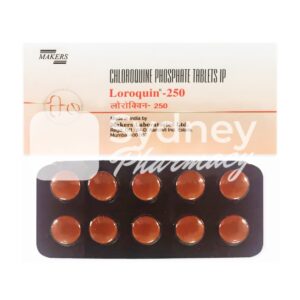
Chloroquine, available under various brand names including Aralen and Nivaquine, is widely recognised in Australia. The packaging often varies by manufacturer, and patients are encouraged to be aware of different brand formulations.
Indications In Local Medical Practice
These formal indications make chloroquine a critical option in the medical toolkit.
Off-label use is not uncommon, with practitioners sometimes prescribing it for conditions such as autoimmune diseases, indicating its versatility in treatment regimens.
How It Works In The Body
Chloroquine operates by interfering with the ability of malaria parasites to break down hemoglobin, leading to their destruction. This primary mechanism underscores its effectiveness as an antimalarial agent.
In clinical terms, chloroquine’s pharmacodynamics and pharmacokinetics involve absorption following oral administration, distribution throughout the body, and metabolism primarily in the liver, which supports its therapeutic effects.
Dosage & Administration
Standard regimens for chloroquine vary based on the condition being treated. For malaria, an initial dose of 600 mg is typical, with subsequent dosages to follow over several days.
Adjustments for specific patient demographics, such as the elderly or those with chronic health conditions, are critical. Special considerations may include dosage reductions for patients with liver impairment or heightened sensitivity to side effects.
⚠️ Contraindications & Side Effects
When considering treatment with chloroquine, patients often have concerns about potential side effects and contraindications.
Common
Common side effects of chloroquine typically include:
- Nausea
- Headache
- Itching (particularly prevalent in certain populations)
- Loss of appetite
- Abdominal pain
These mild to moderate effects can occur relatively frequently, affecting a notable proportion of patients. It’s essential to keep communication open with healthcare providers regarding any adverse experiences.
Rare but serious
While most patients tolerate chloroquine well, serious adverse reactions can occur, requiring close monitoring. Some of these include:
- Severe allergic reactions
- Retinopathy, which may lead to permanent vision loss
- Cardiomyopathy, posing risks to heart health
- Profound hypoglycaemia in susceptible patients
It’s advisable to report any unusual symptoms to a healthcare professional promptly. Regular retinopathy screening is recommended for those on long-term therapy.
⚖️ Comparable Medicines
Amidst available treatments for malaria and other conditions, patients may seek alternatives to chloroquine.
Alternatives table (PBS and non-PBS)
| Drug Name | Indication | Form |
|---|---|---|
| Hydroxychloroquine | Malaria, autoimmune diseases | Tablets 200 mg |
| Mefloquine | Malaria prophylaxis | Tablets 250 mg |
| Artemisinin derivatives | First-line treatment for malaria | Tablets, injection |
| Primaquine | Radical cure for P. vivax malaria | Tablets 15 mg |
Examining these options is crucial for informed decision-making about health treatment paths.
Pros and cons list
Chloroquine has its distinct advantages and drawbacks when compared to its rivals:
- Pros: Cost-effective, long history of use, proven effectiveness against malaria, available in multiple formulations.
- Cons: Potential for serious side effects, increasing resistance in some malaria strains, requirement for regular monitoring.
Choosing the right medication should be a collaborative process with a healthcare provider, factoring in individual health needs and potential risks.
❓ Common Patient Questions
Patients often have insightful queries regarding chloroquine therapy to enhance understanding and comfort with their treatment.
Why is chloroquine prescribed?
It is primarily prescribed for the treatment of malaria, autoimmune diseases, and occasional off-label uses in other parasitic infections.
How long should treatment last?
Treatment duration can vary significantly: malaria requires short courses of several days, while long-term maintenance may be necessary for autoimmune conditions.
What to do about missed doses?
If a dose is missed, it should be taken as soon as remembered, unless it’s almost time for the next dose. In such cases, skipping the missed dose and continuing as scheduled is advised—never double up.
Buying & Storage Advice
In-store vs Online Purchase Tips in Australia
When searching for chloroquine, choices include in-store and online purchases. The best practices for buying chloroquine involve:
In-Store:
- Visit trusted pharmacies that stock chloroquine, such as those displaying a wide range of prescription medications.
- Check the packaging to ensure it aligns with known brands like Nivaquine and Aralen.
Online:
- Use reputable online pharmacies to ensure quality and authenticity. Look for those that require prescriptions.
- Read customer reviews and check for contact information to make sure it’s a legitimate website.
Storage in Australian Household Conditions
Storing chloroquine properly is crucial for its efficacy. Here are the guidelines for safe storage in typical Australian conditions:
- Keep at room temperature (between 15–25°C).
- Store away from light and moisture. A bathroom cabinet is typically not ideal due to humidity.
- Ensure it’s out of reach of children to prevent accidental ingestion, which can be life-threatening.
Guidelines for Proper Use
Pharmacist Guidance in Australia
A pharmacist plays a vital role in therapy management when it comes to chloroquine. Their expertise ensures:
- Patients fully understand dosing. They explain the importance of adherence to dosing schedules.
- Ongoing monitoring for potential side effects, especially in patients with existing health conditions.
- Safe usage when combining chloroquine with other medications, checking for interactions.
Patient Safety Recommendations
Patient safety is paramount when using chloroquine. Here are the best practices for ensuring safe administration:
- Read the information leaflet that comes with the medication. It outlines potential side effects and interactions.
- Always report any unexpected symptoms to a healthcare provider.
- Do not alter the dose without consulting a pharmacist or healthcare professional.
Delivery Information for Chloroquine
| City | Region | Delivery Time |
|---|---|---|
| Sydney | New South Wales | 7–22 days |
| Melbourne | Victoria | 7–22 days |
| Brisbane | Queensland | 7–22 days |
| Perth | Western Australia | 7–22 days |
| Adelaide | South Australia | 7–22 days |
| Hobart | Tasmania | 7–22 days |
| Darwin | Northern Territory | 7–22 days |
| Canberra | Australian Capital Territory | 7–22 days |
| Gold Coast | Queensland | 7–22 days |
| Newcastle | New South Wales | 7–22 days |
| Cairns | Queensland | 7–22 days |
| Wollongong | New South Wales | 7–22 days |