Amoxycillin
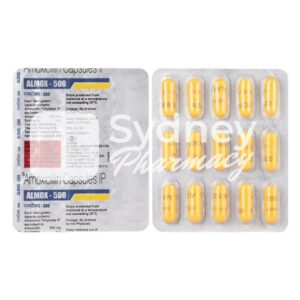
In brief
Amoxycillin contains amoxicillin. Respiratory, dental and other bacterial infections may respond to amoxicillin when the organism is susceptible. This penicillin antibiotic works on bacterial cell walls and has no effect on cold or flu viruses.
Amoxycillin (the international spelling is amoxicillin) is a penicillin-type antibiotic used to treat infections caused by susceptible bacteria. This page describes Amoxycillin 250mg and 500mg as offered by Sydney Pharmacy, explains what the medicine does and does not do, and sets out the safety information that appears in official product leaflets. Amoxycillin is a prescription-only medicine in Australia, so your doctor decides whether it is right for you. If you are looking for the branded version, see our Amoxil
What is Amoxycillin (amoxicillin)?
Amoxycillin belongs to the aminopenicillin group of antibiotics. It is the Australian approved name for the substance known elsewhere as amoxicillin, and both spellings refer to exactly the same active ingredient. Product labels in Australia use “amoxycillin”, while many overseas labels, websites and search engines use “amoxicillin”. Throughout this page we use both so that you can recognise the medicine whichever spelling appears on your prescription, your pharmacy label or the information you read online.
Amoxycillin works against bacteria only. It has no effect on viruses, which means it does not help with colds, influenza, most sore throats or most coughs, because those are usually caused by viruses. Taking an antibiotic when it is not needed gives no benefit and can cause side effects and contribute to antibiotic resistance.
Amoxycillin basic information
| Item | Details |
|---|---|
| Active ingredient (INN) | Amoxicillin (Australian name: amoxycillin), usually as amoxycillin trihydrate |
| Medicine class | Penicillin antibiotic (aminopenicillin) |
| Brand names | Amoxil and other brands; many generic products carry the plain name Amoxycillin |
| Strengths offered here | 250mg and 500mg |
| Pack sizes offered here | 30, 60, 90, 120, 180 and 360 units |
| Category | Antibiotics |
| Legal status in Australia | Prescription-only medicine |
How Amoxycillin works
Bacteria are surrounded by a cell wall that keeps them intact. Amoxycillin interferes with the building of that wall, so growing bacteria weaken and die. Human cells do not have this kind of cell wall, which is why penicillins can act on bacteria without harming the body’s own cells in the same way.
What Amoxycillin is used for
Official product information lists Amoxycillin for infections caused by susceptible organisms. Depending on the product, these include infections of the ear, nose and throat, the chest and lower respiratory tract, the urinary tract, the skin and soft tissues, and some dental and gynaecological infections. It is also used by specialists as part of combination regimens, for example to treat Helicobacter pylori infection in the stomach, always together with other medicines chosen by the doctor.
Whether Amoxycillin is suitable depends on the organism, the site of the infection, local resistance patterns and your own medical history. A doctor may take a swab or other sample to guide the choice. Amoxycillin is not an all-purpose antibiotic, and it should not be kept at home for later use on a different illness.
Amoxycillin dosage and how to take it
Dosing is set by the prescriber and printed on your dispensing label. Always follow that label rather than a general guide. As a general reference, Australian product information for adults gives a usual range of 250mg to 500mg taken every eight hours, with higher doses used by doctors for more severe infections. Children are dosed according to body weight and age, and the dose for a person with reduced kidney function may be lowered or the dosing interval lengthened.
- Swallow Amoxycillin capsules or tablets with a glass of water. It can be taken with or without food, and taking it with a meal may reduce stomach upset.
- Space doses evenly through the day as directed, for example morning, afternoon and night for three doses daily.
- Take it for as long as your doctor tells you. The length of a course depends on the infection, and your prescription sets it. Do not extend or shorten it on your own.
- If you forget a dose, take it as soon as you remember, unless it is almost time for the next one. Do not take a double dose to catch up.
Finish the course, but only for bacterial infections
Antibiotic stewardship means using antibiotics only when they are needed, at the right dose and for the right length of time. For Amoxycillin this has two practical messages. First, take it only when a doctor has diagnosed a bacterial infection. Second, complete the course as prescribed, even if you feel better after a few days, unless your doctor tells you to stop. Stopping early can allow resistant bacteria to survive and the infection to return. Do not share Amoxycillin with other people, and do not use left-over tablets from a previous illness.
Who should not take Amoxycillin
Do not take Amoxycillin if you are allergic to amoxycillin, to any other penicillin or to any ingredient in the product. Allergy to penicillin can cause rash, swelling of the face or throat, wheezing and, rarely, a life-threatening reaction called anaphylaxis. People with a history of penicillin allergy may also react to some cephalosporin antibiotics, so tell your doctor about any previous reaction to an antibiotic.
Tell your doctor before starting Amoxycillin if you:
- have had an allergic reaction to any penicillin, cephalosporin or other antibiotic;
- have kidney problems or liver problems;
- have a history of severe diarrhoea after taking antibiotics;
- have glandular fever (infectious mononucleosis), because amoxycillin can cause a rash in this condition;
- are pregnant, planning pregnancy or breastfeeding;
- take other medicines, including herbal and non-prescription products.
Amoxycillin passes into breast milk in small amounts. Your doctor can weigh the benefits and risks if you are pregnant or breastfeeding.
Amoxycillin side effects
Most people tolerate Amoxycillin well. The effects listed most often in product information are mild and affect the digestive system and skin.
Common side effects of Amoxycillin
- Nausea and vomiting
- Diarrhoea or loose bowel motions
- Skin rash
- Thrush (a fungal infection of the mouth or vagina), because antibiotics can disturb the normal balance of microorganisms
Serious side effects: stop and seek medical help
- Swelling of the face, lips, tongue or throat, difficulty breathing, or a sudden widespread rash. These may be signs of a severe allergic reaction.
- Severe skin reactions such as blistering, peeling or sores in the mouth and eyes.
- Severe, persistent or bloody diarrhoea, with or without stomach cramps. This can be a sign of antibiotic-associated colitis, which may begin during treatment or some weeks after it ends. Do not take anti-diarrhoeal medicines without medical advice.
- Yellowing of the skin or eyes, dark urine or pale stools, which can indicate liver problems.
- Unusual bruising or bleeding.
This is not a complete list. Read the consumer medicine information supplied with your product and report any unexpected symptoms to your doctor or pharmacist.
Amoxycillin interactions with other medicines
Tell your doctor and pharmacist about everything you take. Interactions recorded in product information for amoxycillin include:
- Probenecid, which can raise the level of amoxycillin in the blood.
- Methotrexate, whose toxicity may increase when taken with penicillins.
- Warfarin and other anticoagulants, where blood clotting tests may need closer monitoring.
- Allopurinol, which may increase the chance of a skin rash when taken together with amoxycillin.
- Other antibiotics, especially those that stop bacterial growth rather than killing bacteria, which may affect how well amoxycillin works.
- Oral contraceptives: antibiotics can occasionally cause stomach upset that reduces absorption, so follow the advice in your contraceptive leaflet and ask your doctor or pharmacist if you are unsure.
Amoxycillin compared with similar antibiotics
Several antibiotics are used for the same kinds of infection, and the right choice depends on the bacteria involved.
- Amoxycillin and clavulanic acid combines amoxycillin with a beta-lactamase inhibitor, which widens the range of bacteria it can act against. Doctors may choose it when bacteria are likely to produce that enzyme.
- Penicillin V (phenoxymethylpenicillin) is a narrower penicillin used for certain throat, skin and dental infections.
- Cefalexin is a cephalosporin often used for skin and urinary infections. It may not be suitable for people with a severe penicillin allergy.
- Doxycycline and azithromycin are not penicillins and are among the options when penicillin cannot be used or when atypical organisms are suspected.
Amoxycillin 250mg and 500mg are the same medicine at different strengths. Which one is used, and how often, is a decision for your prescriber. The Amoxil brand contains the same active ingredient, see Amoxil
Buying Amoxycillin online in Australia
Because Amoxycillin is a prescription-only medicine in Australia, a valid prescription from a registered prescriber is required, and the appropriate way to supply it follows from that. If you do not know whether you need an antibiotic, the correct first step is a consultation with a doctor, in person or by an approved telehealth service, who can decide whether your illness is bacterial.
Sydney Pharmacy lists Amoxycillin in 250mg and 500mg strengths. Pack sizes offered are 30, 60, 90, 120, 180 and 360 units. The cost per unit generally becomes lower as the pack size increases, but you should choose a quantity that fits the course your doctor prescribed, not the lowest unit price. An antibiotic course is short, so very large packs only make sense if they match a prescribed quantity. Current prices are shown on the product page and may change, which is why we do not list figures in this text.
Storage
Store Amoxycillin as directed on the pack and in the consumer medicine information. In general, keep medicines in their original container, away from moisture, heat and direct light, and out of the reach of children. Do not use a product after its expiry date. Dispose of unused or out-of-date antibiotics by returning them to a pharmacy, not by throwing them in the bin or flushing them down the toilet.
Delivery across Australia
Trackable service: 7–14 days, tracking number by email. Airmail service: 14–22 days, free for orders over about AUD 300. Discreet packaging. Delivery times are estimates.
Frequently asked questions about Amoxycillin
Is amoxicillin prescription only in Australia?
Yes. Amoxycillin, also written amoxicillin, is a prescription-only medicine in Australia. A doctor or other authorised prescriber must decide that you need it.
Is amoxicillin the same as amoxycillin?
Yes. Amoxycillin is the Australian spelling and amoxicillin the international one. Both are the same active ingredient.
Can I take Amoxycillin for a cold or the flu?
No. Colds and influenza are caused by viruses, and Amoxycillin does not act on viruses. Using it for these illnesses gives no benefit and can cause side effects.
What should I do if I am allergic to penicillin?
Do not take Amoxycillin. Tell your doctor which reaction you had, so that a suitable alternative can be chosen. If you develop swelling of the face or throat or have difficulty breathing, seek emergency help immediately.
Do I have to finish the whole course of Amoxycillin?
Take it for the period your doctor prescribed, unless the doctor tells you to stop sooner or you have a serious reaction. Stopping early can allow the infection to return and may promote resistance.
What is the difference between 250mg and 500mg Amoxycillin?
They are the same medicine at different amounts per dose. The prescriber chooses the strength and the number of doses a day according to the infection, your age, weight and kidney function.
Safety note about Amoxycillin
This page is general information and does not replace the advice of your doctor or pharmacist or the consumer medicine information that comes with your medicine. Talk to your doctor before starting Amoxycillin, tell them about allergies and other medicines, and follow the instructions on your dispensing label. If you suspect a serious reaction, stop taking the medicine and seek urgent medical care.